Embedding carbon removal across society: Reflections on sectoral integrations - Policy Summit takeaways
From waste and mining to farming, how carbon removal can be built into existing industries. Takeaways from the 2026 Carbon Removal Policy Summit in Brussels.
The Carbon Removal Policy Summit in Brussels on 16 September invited attendees to consider the future of carbon removal and focused on the actions needed today to build that future. In addition to panel discussions, the event included breakout sessions on market creation, project deployment, and sectoral integrations. Below, we summarise the session on sector-specific integrations, co-led by Cara Maesano (CDR2030), Gino Heremans (Deloitte), Lucia Simonelli (CRSI), and Mark Preston Aragonés (Bellona Europa).
What are sectoral integrations?
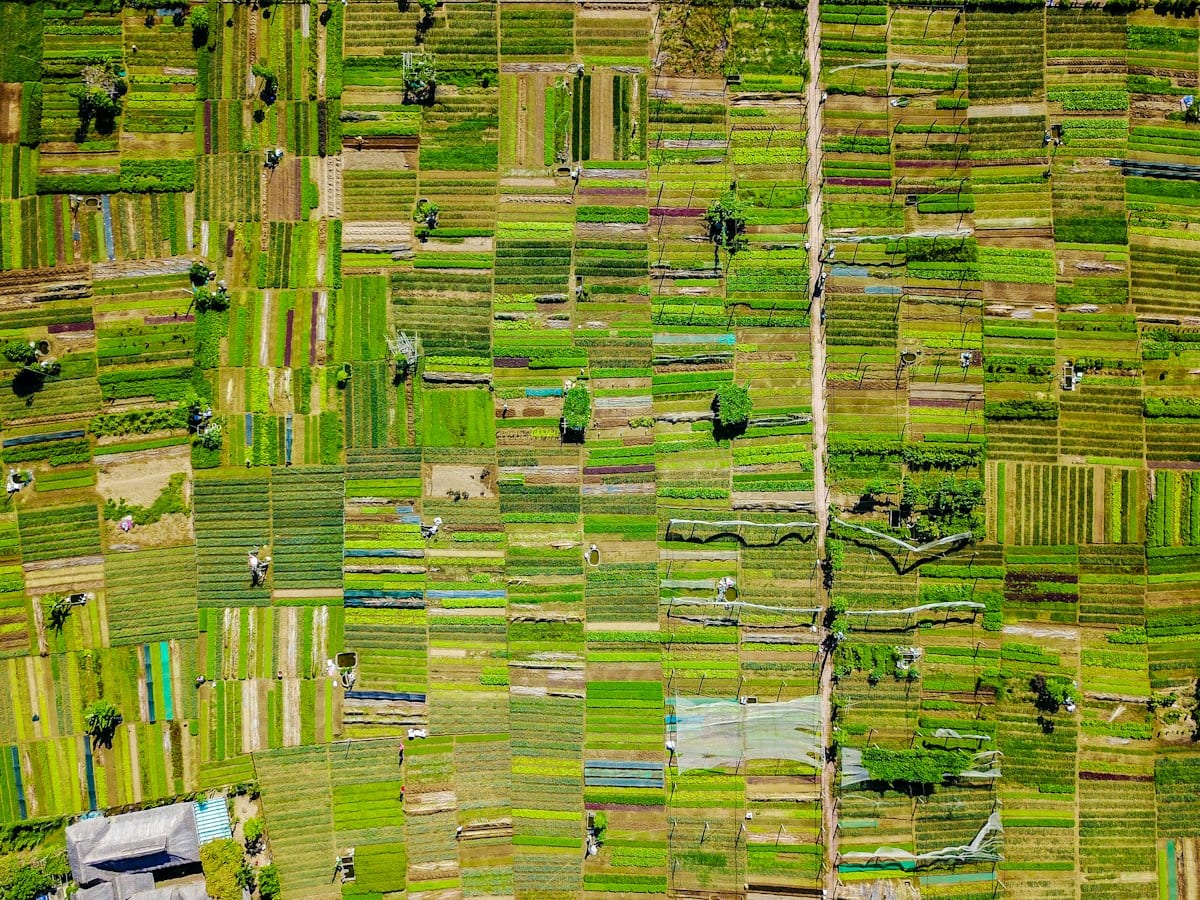
Carbon removal is often discussed in terms of carbon markets, where removals are certified and sold. Sectoral integrations are carbon removal pathways that are incorporated into existing processes, activities, and/or infrastructure. For example, enhanced rock weathering can be integrated into agriculture by spreading soil amendments on overly acidic soil to improve crop yield, and mineralisation of mine waste can enable more critical mineral extraction or remediate asbestos contamination.
A growing body of literature suggests that there are many such opportunities to embed carbon removal across society, and these opportunities have the potential to deliver benefits beyond carbon.
Why sectoral integrations matter
CDR solutions that use existing infrastructure and deliver meaningful benefits, in the form of co-products, ecosystem services, or environmental benefits, allow communities, practitioners, and host industries to utilise resources more efficiently. This theme came up frequently at the Summit and was emphasised in the recent UNEP Limiting Overshoot report.
Integrated CDR also has the advantage of policy and market flexibility. Integrated projects can sell into voluntary and compliance markets, as we see from pioneers in the field working at waste facilities and mine sites. But they are not entirely reliant on carbon markets, and can leverage industry-specific policy regimes, like agricultural subsidies, to support research and deployment.
Discussion of integration opportunities
The session opened with three short technical presentations, followed by a game and a discussion of BioCCS in the ETS. The presentations and the discussion are summarised below.
Industrial waste
Gino presented on Deloitte x Carbon Gap’s April 2026 report on opportunities for carbon removal in industrial waste management:
Within wastewater treatment, alkaline materials can be integrated during secondary treatment to sequester biogenic CO2. Moreover, the biogenic carbon in wastewater sludge can also enable CO2 removal, either by capturing and storing the CO2 after sludge or biogas incineration, or by converting it into biochar.
For concrete waste, carbon mineralisation can permanently store CO2 by chemically binding it within the concrete material. This naturally occurring process can be enhanced, e.g., by processing finely crushed aggregates in reactors, to increase the uptake of CO2, which may also further improve the material properties.
A comparable carbon mineralisation approach applies to mine tailings, which can permanently store CO2 by chemically binding it with the naturally occurring minerals within these mining waste products (more on this below).
Mining
Cara presented on RMI’s recently published roadmap for carbon removal opportunities in the mining sector. Mine operators have the materials, land, equipment, expertise, and operational capabilities needed to implement many emerging CDR techniques on-site. Select important examples include:
Mineralising tailings and waste rock from active nickel mines and other mafic and ultra-mafic mine sites. In the mining world, these iron- and magnesium-rich geological formations are highly sought after because they host the world’s largest deposits of critical transition metals like nickel and platinum.
Providing space on closed mine sites for biomass burial and for afforestation and reforestation.
Remediating legacy asbestos mines, as is being explored in Thetford Mines and Baie Verte in Canada.
Sequestering carbon captured from air or from biomass in reactive minerals, in-situ or ex-situ, while recovering critical minerals.
A framework for organising the opportunity space
Lucia presented on CRSI’s work by describing a guiding framework to navigate the complex space of integrations and highlighted the following tools and examples:
The Integrations Matrix serves as a catalogue of all known integrated carbon removal types.
Enhanced rock weathering on working lands can have tangible agronomic benefits. Leveraging existing agricultural policy and learning from their structures can unlock new incentives for deployment and infrastructure for quantification.
As the demand for resilient coastal infrastructure grows, integrating resilience projects with carbon removal offers an opportunity to address both climate adaptation and mitigation, generating dual benefits for communities and ecosystems.
Integrating carbon removal into city waste management practices can provide municipalities with added benefits of reduced landfill volume, PFAS remediation, and uses for liability biomass.
BioCCS within the ETS
Mark led a presentation and discussion centering on the example of BioCCS, a process that captures biogenic CO2 from facilities that burn or process biomass, and stores it. Some of these facilities already operate within emissions trading systems such as the EU ETS, raising the question of how captured biogenic CO2 should be treated when it comes to allowances. We discussed the options, pros, and cons of this current system. This is timely as BioCCS is one of the first activities with its own CRCF certification methodology, and the Commission's July 2026 ETS review proposal would use additional ETS allowances to fund the purchase of CRCF-certified BioCCS and DACCS removals.
Work hard, play hard
Last but not least, the session included a game of sectoral integration bingo! And while we had a lot of fun, there is a lot of work ahead.
Sectoral integrations were one part of a packed agenda at the Policy Summit and will be one tool in the broader toolkit to scale carbon removal. Weaving carbon removal throughout society can expand the suite of demand drivers and unlock potential use cases that are more resilient in the face of political and economic change, but it will require creativity, diverse expertise, and collaboration from both inside and outside the carbon removal ecosystem.